




Feeding the Sky Cities (Aether Skies TTRPG Campaign Setting)
Food, Gardens, and Survival in Aether Skies

In many fantasy worlds, food is simple.
Heroes eat roasted boar in taverns. Farmers harvest endless wheat fields. Forests provide game, berries, and timber without much thought. The land supports the people, and life moves on.
In Aether Skies, the land is gone.
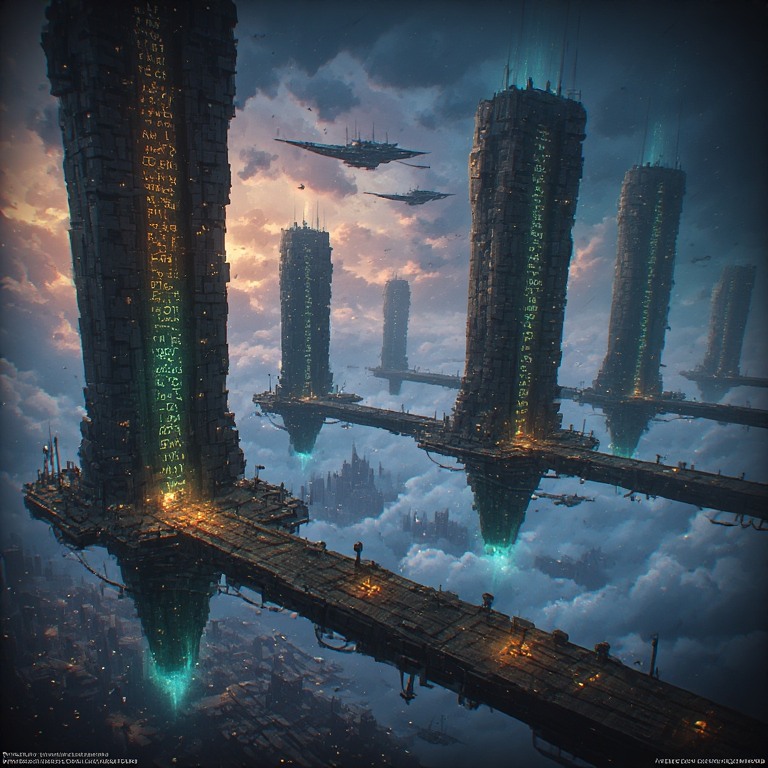
The floating cities drift far above a hostile surface world. Soil is rare. Timber is precious. Every pound of cargo matters, and every square foot of space must justify its existence. Survival depends on efficiency, ingenuity, and a willingness to eat things that ground-dwellers would consider… unpleasant.
Food in Aether Skies is not just culture.
It is infrastructure.
The Most Valuable Space in a City
In a sky city, space is life.
Every platform, rooftop, and unused maintenance corridor eventually becomes something productive. Housing competes with workshops. Workshops compete with storage. Storage competes with agriculture.
Gardens are rarely picturesque.
Instead, they appear as:
-
tiered fungus farms stacked in humid caverns
-
insect racks hanging beneath ventilation towers
-
algae vats lining outer hull walkways
-
aeroponic trays clinging to sunlit rooftops
From a distance, a floating city might look like a marvel of brass towers and aether engines. Up close, you see the truth: much of the city is quietly growing food wherever it can.
Even abandoned buildings are rarely wasted. If a district collapses economically, it may quickly be converted into a vertical garden complex.
Wood: The Rarest Resource
In traditional fantasy worlds, wood is everywhere. In Aether Skies, it is nearly priceless.
Trees do not grow easily in shallow sky soil, and hauling lumber from the surface is dangerous and expensive. As a result, wood is used sparingly and carefully.
Most cities rely instead on:
-
metal frameworks
-
woven fiber composites
-
fungal structural materials
-
salvaged ship timbers
Real wooden beams are often reused for centuries. Some buildings contain timber that predates the fall of the surface world.
Because of this scarcity, burning wood for cooking is almost unheard of. Heat sources come from:
-
aether coils
-
chemical burners
-
thermal engine runoff
To waste wood on fire would be seen as either extreme wealth—or criminal ignorance.
The Diet of the Sky Cities

Without farmland or livestock, traditional food sources cannot sustain large populations. Instead, Aether Skies relies on foods that can grow quickly in controlled environments.
The two most important are fungus and insects.
Fungus: The Backbone of Survival
Fungi thrive in darkness, humidity, and confined spaces—perfect conditions for sky city infrastructure.
Common fungal foods include:
-
dense protein blocks resembling bread or cheese
-
delicate glowing mushrooms used in soups
-
fermented fungal pastes used as flavoring
-
fibrous varieties used as meat substitutes
Entire districts specialize in mushroom cultivation. Some fungal strains are engineered or magically altered to grow faster or provide specific nutrients.
In Kerfluffle, fungus is considered a culinary art form. Skilled cooks turn simple mushroom bases into dishes that rival anything served in wealthy sky salons.
Insects: Efficient Protein
Insects reproduce quickly, require minimal space, and convert waste into food efficiently.
Common edible species include:
-
Sky crickets, roasted or ground into flour
-
Iron beetle larvae, rich in fats and minerals
-
Cloud moth grubs, prized for their sweetness
-
Spire ants, used in spicy broths
Most insect farms operate vertically, with stacked habitats suspended from rafters or inside converted ventilation shafts.
Among the working classes, insect protein is simply food. Among the elite, however, some varieties are considered delicacies.
A platter of perfectly seasoned sky crickets might cost more than a dock worker earns in a week.
Waste Is Never Wasted
Nothing in Aether Skies can be thrown away casually.
Food systems are built as closed loops:
-
Food scraps feed insect farms
-
Insect waste fertilizes fungus beds
-
Fungal byproducts feed algae systems
-
Algae produce oxygen and biofuel
Even sewage is processed through layered biological systems. What cannot be recycled becomes fuel.
This efficiency is not optional. A city that wastes resources eventually starves.
Cultural Identity Through Food

Despite these limitations, cuisine still develops regional identity.
Kerfluffle
Improvisational cooking using scraps and shared meals. Community cooking pits are common.
Orashul
Refined fungus dishes plated like fine cuisine. Insects are often disguised or processed into elegant forms.
Granglehold
Heavy, practical meals designed for laborers. Protein blocks and nutrient stews dominate.
Theopholis
Food preparation follows strict religious guidelines, and certain fungal strains are considered sacred.
Haven
Cuisine is unpredictable. Some dishes appear from forgotten recipes, while others seem to come from dreams.
What Characters Eat
For players, food can be a subtle but powerful worldbuilding tool.
Ask yourself:
-
What simple meal reminds your character of home?
-
Do they consider insect protein normal—or embarrassing?
-
Are they fascinated by rare surface foods?
-
Do they distrust certain fungal strains?
Even small details like this can make the world feel more grounded.
Adventure Hooks in the Food Chain
Food scarcity and agriculture create natural story opportunities:
-
Crop Failure: A fungal strain mutates, threatening a city’s primary food supply.
-
Smuggling Ring: Illegal surface grain begins appearing on the black market.
-
Contaminated Insect Farms: Something is feeding on the protein supply… and growing.
-
Food Riots: A dock accident destroys several agricultural platforms.
-
Experimental Agriculture: A new aether-enhanced crop promises abundance—but carries dangerous side effects.
Food systems may not seem heroic at first glance, but when survival depends on them, they become as important as any fortress wall.
Final Thought: Civilization in a Handful of Spores
The floating cities of Aether Skies are miracles of engineering and magic. Massive engines hold them aloft. Aether flows through their veins.
But none of that matters if the people cannot eat.
Civilization here rests on humble foundations: trays of mushrooms growing in dim corridors, racks of insects humming quietly in warm chambers, and the endless ingenuity of people who learned to survive when the land disappeared.
In the end, the true heart of the sky cities is not their engines.
It is the gardens hidden beneath them.
Thanks for reading. Until Next Time, Stay Nerdy!!




No Comments